Research
Animal Welfare and Human Ethics
(joint with Konstanze Albrecht and Nora Szech)
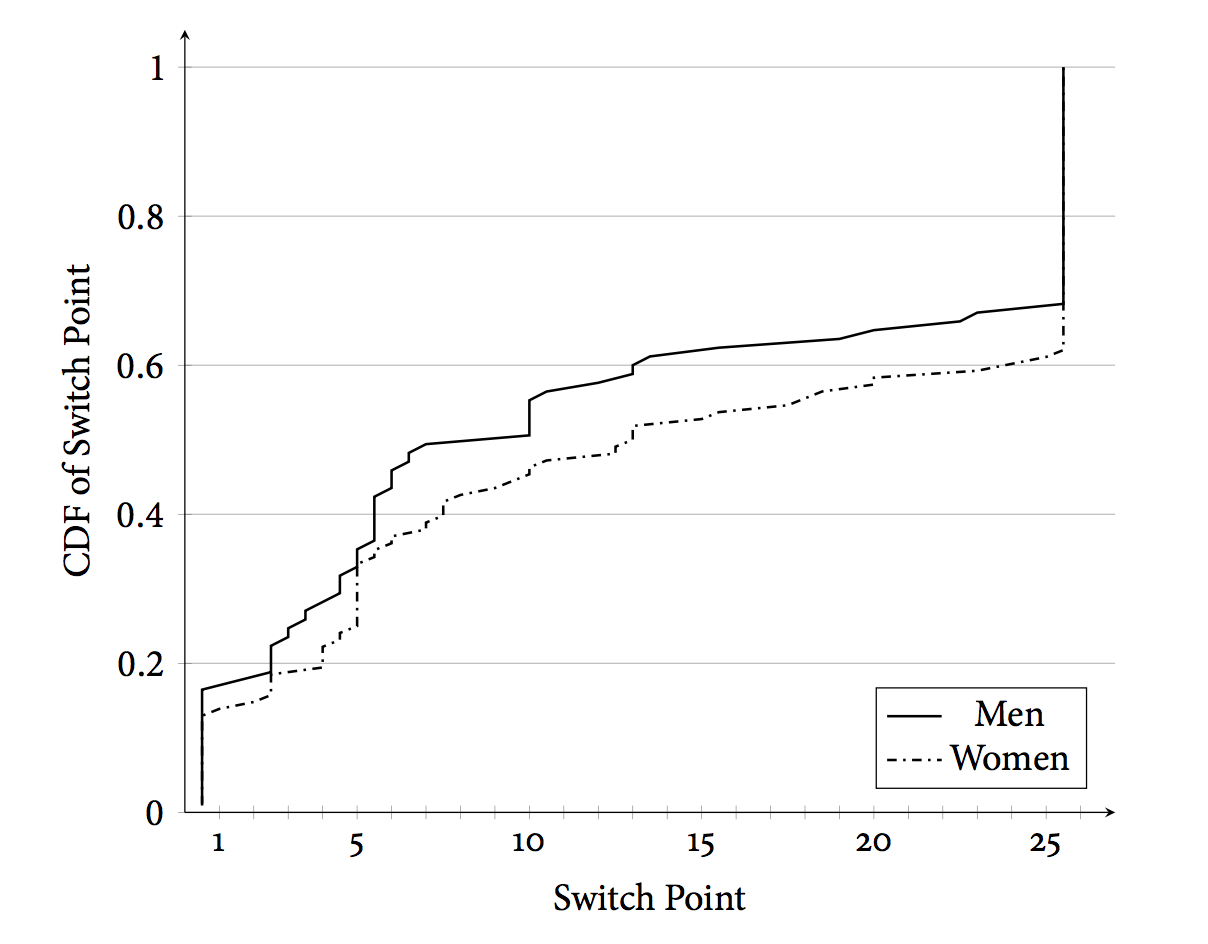
We elicit concern for animal welfare in an incentivized, direct and real setup that allows us to separate genuine interest in animal welfare from confounding factors like advertisement, replacement arguments or image concerns. Subjects choose between intensive farming and organic living conditions for a laying hen. Opting for better living conditions is costly, but guarantees better food, daylight, and more space to the hen. Hence subjects have to trade off a selfish benefit (money) against the welfare of a hen. Our data shed light on a long-standing philosophical debate about the relationship between animal welfare and human ethics. We confirm that subjects with higher interests in the hen’s well-being exhibit higher moral standards towards humans. Supporters of intensive farming are significantly less prosocial and open-minded, and more Machiavellian than others.
Delegating Pricing Power to Customers
(joint with Klaus M. Schmidt, Martin Spann, and Lucas Stich)
Published in Journal of Economic Behavior and Organization | Working Paper | Data
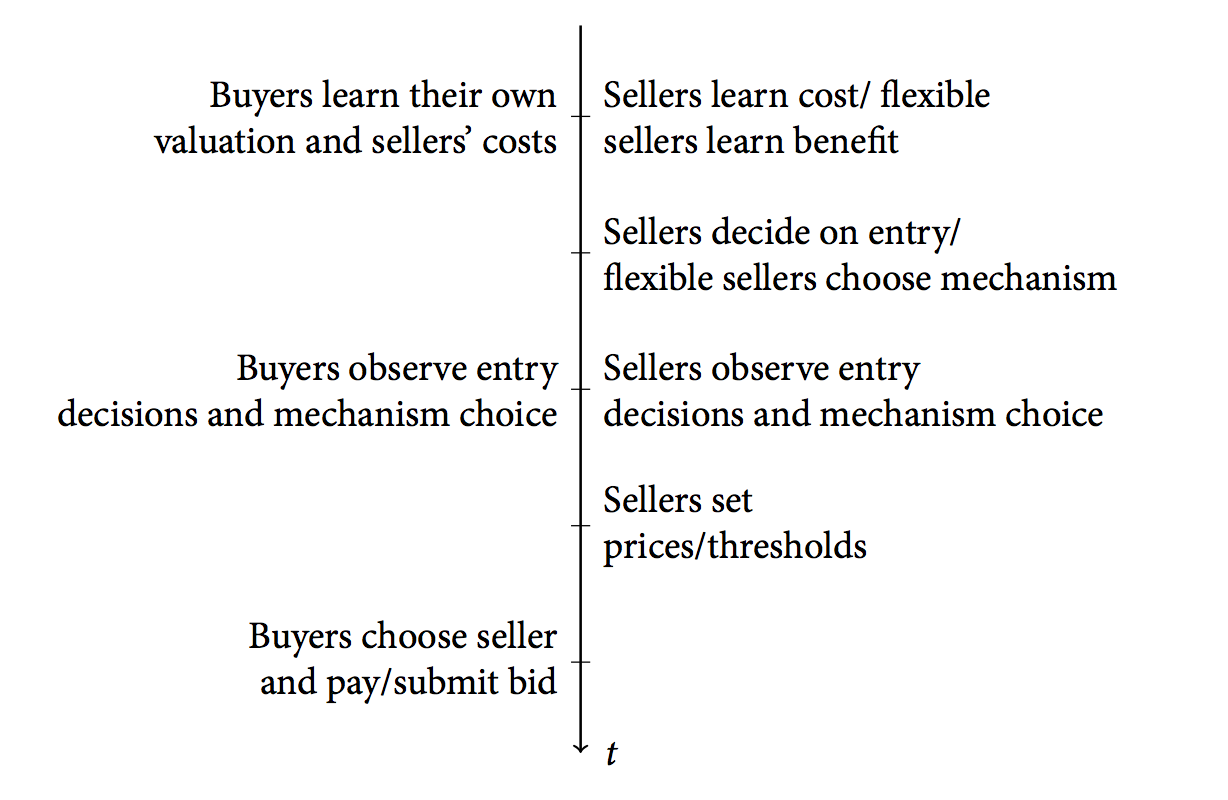
Pay What You Want (PWYW) and Name Your Own Price (NYOP) are customer-driven pricing mechanisms that give customers (some) pricing power. Both have been used in service industries with high fixed costs to price discriminate without setting a reference price. Their participatory and innovative nature gives rise to promotional benefits that do not accrue to posted-price sellers. We explore the nature and effects of these benefits and compare PWYW and NYOP using controlled lab experiments. We show that PWYW is a very aggressive strategy that achieves almost full market penetration. It can be profitable if there are promotional benefits and if marginal costs are low. In contrast, NYOP can be used profitably also if marginal costs are high and if there are no such benefits. It reduces price competition and segments the market. In a second experiment, we generate promotional benefits endogenously. We show that PWYW monopolizes the follow-up market but fails to be profitable. NYOP is less successful in penetrating the market but yields much higher profits.
Context Dependence in Speed Dating
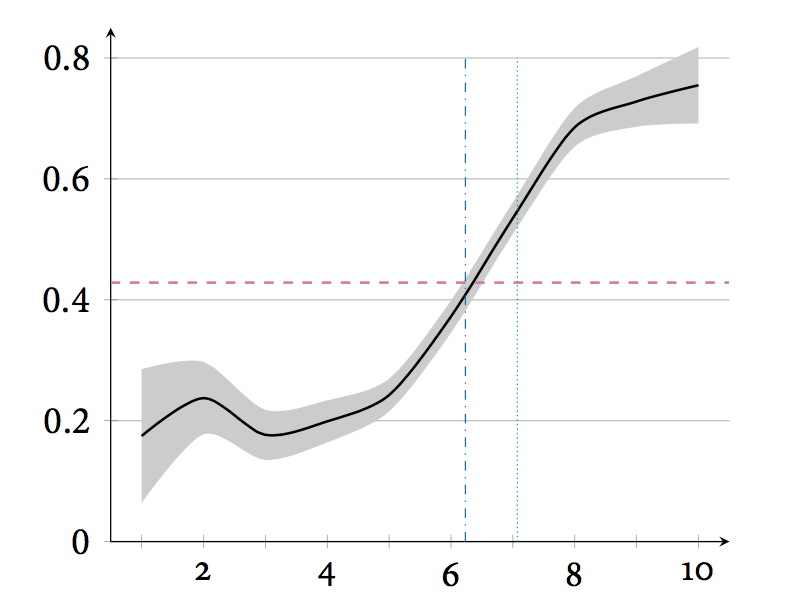
Context influences decision making. However, evidence on the specific underlying mechanism is scarce. Since context dependence in decision making may impact consumers, firms and political agenda setters, exploring the precise mechanism through which choices are distorted is imperative. This paper provides evidence that expanding the utility range of one choice dimension leads decision makers to attach less weight to this attribute, in line with the notion of relative thinking (Bushong et al., 2016). Context dependence is more pronounced if evaluators are female and survives extensive robustness checks. Implications for policy are discussed.